Why Tyre Pressure Matters More Than You Think
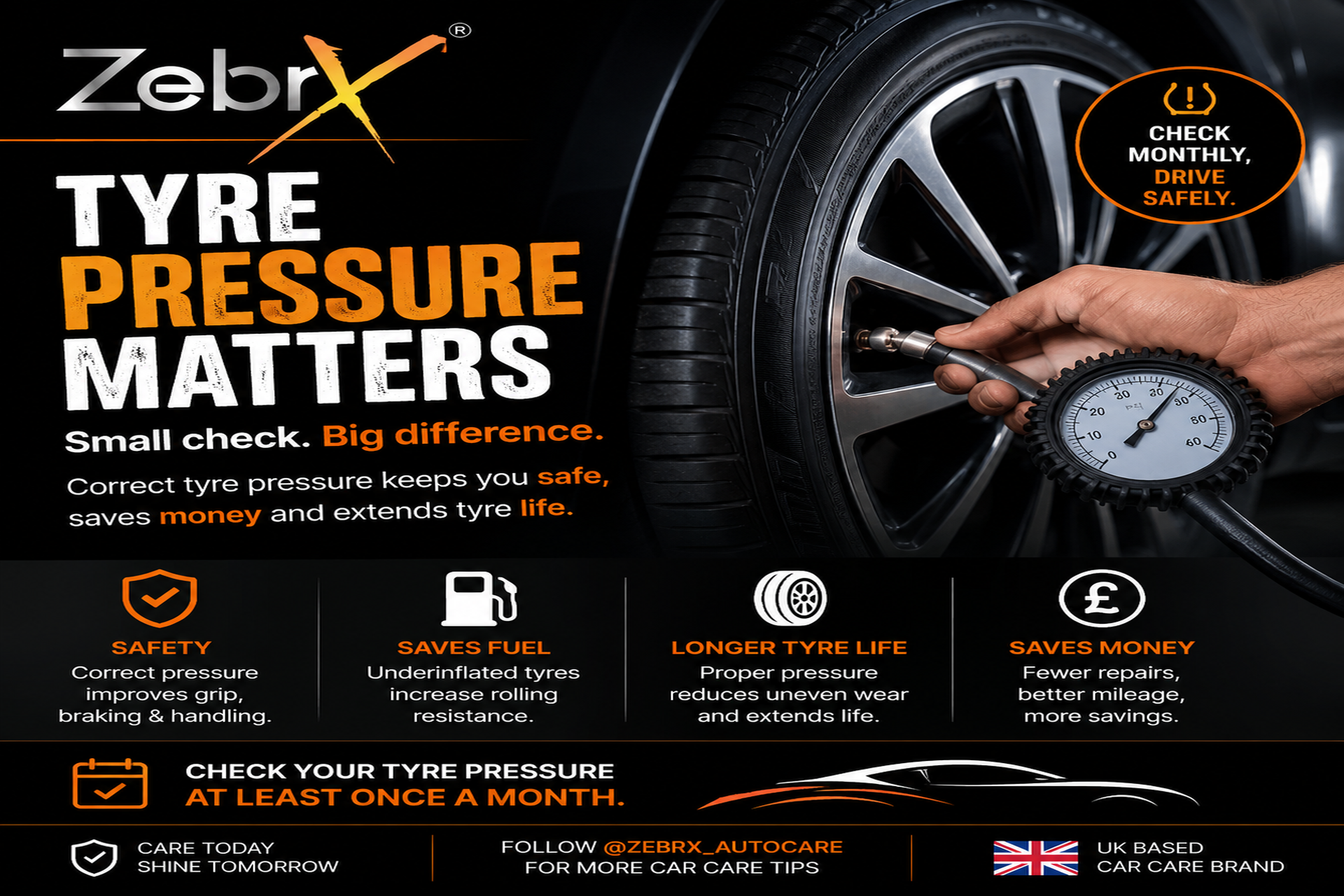
Your tyres are the only part of your vehicle that stays in constant contact with the road. No matter how advanced your car's braking system, suspension, or safety technology may be, everything ultimately depends on four small contact patches connecting your vehicle to the surface beneath it. That's why maintaining the correct tyre pressure is one of the simplest yet most important steps you can take to improve safety, performance, and fuel efficiency.
Despite its importance, tyre pressure is often overlooked. Many drivers only think about their tyres when a warning light appears on the dashboard or when preparing for an annual MOT. However, tyre pressure naturally changes over time and can also fluctuate with changes in temperature. A tyre that was correctly inflated a few weeks ago may no longer be at the manufacturer's recommended pressure today.
Driving with underinflated tyres can have several negative consequences. As the tyre loses pressure, a larger portion of its surface comes into contact with the road. This increases rolling resistance, forcing the engine to work harder and consume more fuel. Underinflated tyres also wear more quickly around the outer edges, shortening their lifespan and increasing replacement costs. More importantly, they reduce steering precision, increase braking distances, and can make the vehicle less stable, particularly during emergency manoeuvres or on wet roads.
Overinflated tyres present a different set of problems. Excess pressure reduces the amount of tyre touching the road, which can decrease grip and make the ride less comfortable. The centre of the tread wears faster than the edges, leading to uneven wear and reduced tyre life. On rough road surfaces, overinflated tyres are also more vulnerable to damage from potholes and kerbs.
Correct tyre pressure helps your vehicle perform as the manufacturer intended. Properly inflated tyres provide better traction, shorter braking distances, more predictable handling, and improved fuel economy. They also wear more evenly, helping you get the maximum lifespan from every set of tyres. For drivers who regularly travel long distances, maintaining the correct tyre pressure can also contribute to lower running costs and reduced carbon emissions through improved fuel efficiency.
Checking tyre pressure is a quick and straightforward task that only takes a few minutes. The recommended pressures for your vehicle can usually be found inside the driver's door frame, on the fuel filler flap, or in the owner's handbook. Always check tyre pressure when the tyres are cold, as driving increases the air temperature inside the tyre and temporarily raises the pressure reading. Many petrol stations provide free or low-cost air pumps, and portable tyre inflators have become an affordable option for home use.
While checking pressure, it's also a good opportunity to inspect your tyres for signs of damage. Look for cuts, cracks, bulges, nails, or uneven tread wear. These issues may indicate alignment problems, suspension faults, or tyre damage that should be addressed before it affects your safety.
Modern vehicles are increasingly equipped with Tyre Pressure Monitoring Systems (TPMS), which alert drivers when tyre pressure drops below a safe level. Although this technology provides valuable assistance, it should not replace regular manual checks. TPMS warnings often appear only after the pressure has fallen significantly, meaning your tyres may have been operating below their optimum level for some time.
Many experts recommend checking tyre pressure at least once a month and always before a long journey. Seasonal temperature changes, heavy loads, or extended motorway driving can all affect tyre pressure, making regular inspections an important part of routine vehicle maintenance.
Taking a few minutes each month to check your tyre pressure is one of the easiest ways to improve road safety, reduce fuel consumption, and extend the life of your tyres. It requires very little effort, yet the benefits can be significant for both your vehicle and your wallet.
At ZEBRX, we believe that great vehicle care begins with simple habits. By understanding the importance of tyre pressure and making it part of your regular maintenance routine, you can enjoy a safer, more efficient, and more reliable driving experience every time you get behind the wheel.
Stay connected with ZEBRX for more practical vehicle care advice, maintenance guides, and driving tips designed to help UK drivers keep every journey cleaner, safer, and smarter.
Sign In To Leave Your Comment
Don'/t have an account Sign up
Comments